
Begin at the actual door
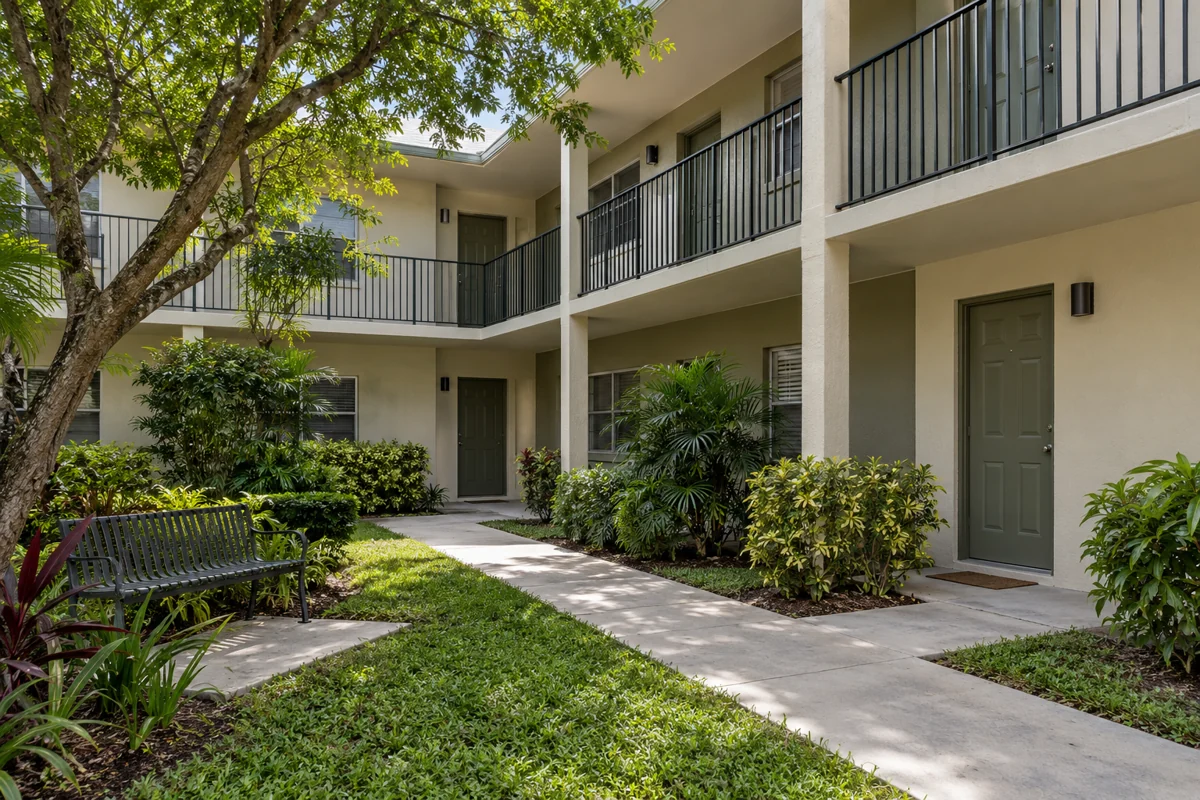
Picture the route into your home: a shared street entrance, perhaps a walkway, then your own unit door. Which of those locks needs attention? Even if one key happens to operate more than one door, a request about your unit should not quietly expand into a change to a shared entrance.
For residential locksmith work in Opa-locka, give the street address and unit, then explain the entrance you mean. A side door to a low-rise rental may not be visible from the street. Clear meeting instructions are useful alongside the key question.
Ask a specific question
Speak with the owner or management contact about the change you actually want. Is the request to regain entry, assess a damaged lock or change which key works? Ask who can approve that particular work and who should receive any new keys. Keep that person's contact details available.
This is a practical preparation guide, not an interpretation of your lease or advice about tenant rights. If your responsibilities are unclear, resolve that with the responsible party before authorizing a change. Do not assume a neighbor's arrangement or a previous repair establishes permission for this one.
Separate a missing copy from a fault
A spare that was never returned raises an access question. A key that catches every time raises a hardware question. Suitable locks may be discussed for rekeying, while a door that is difficult to latch needs its symptom assessed. One proposed change may not solve both issues.
Write down the keys you have, which doors they operate and what outcome you want. A short accurate list is more useful than trying to name lock parts. If several household members use the entrance, include how approved replacement keys would be handed over.
Keep the call simple
You can say: “It is my unit door at this address. The key is missing, and this is the person approving the work.” Add whether the door is open or locked and ask about availability, authorization and the proposed charge. Our FAQ page answers the common follow-up questions, or call 786-706-9100.