
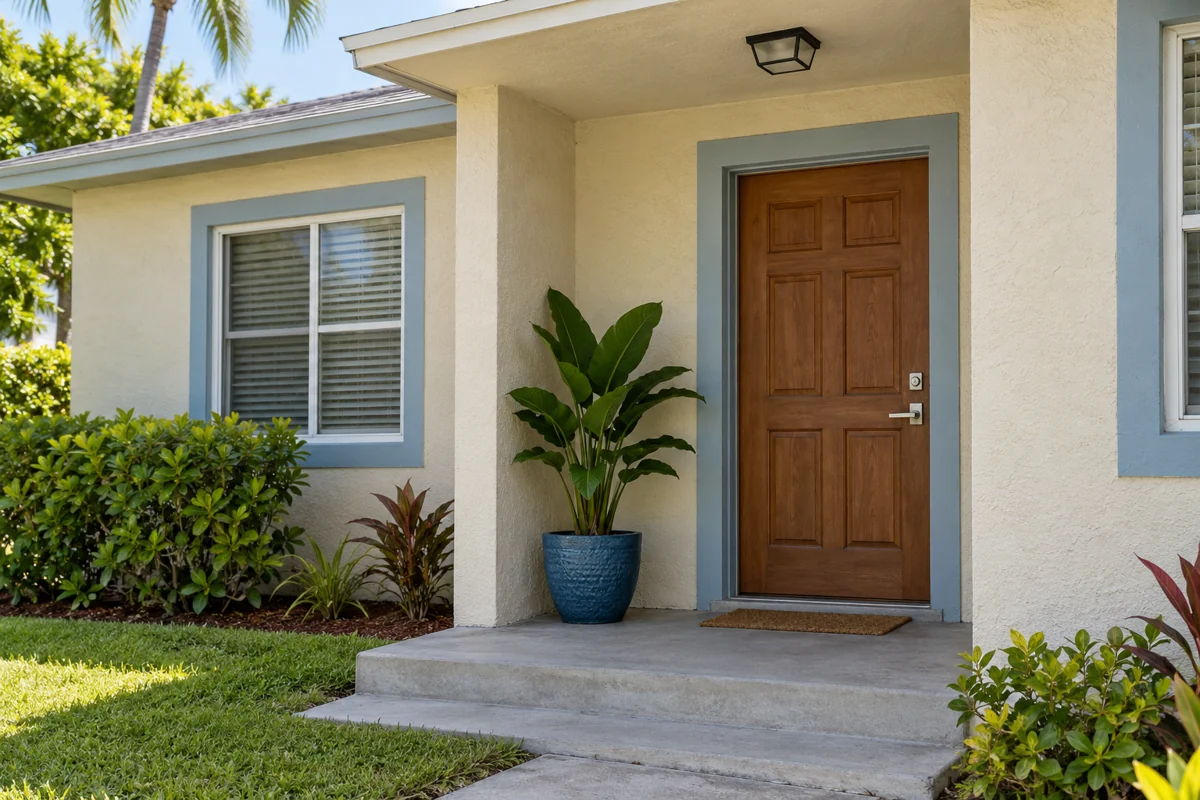
Start with a short door list
Write down the entrances involved: front, side and any keyed door between the house and garage, for example. Count the actual locks on those doors, rather than assuming one door means one piece of hardware. Note which keys currently operate which locks and whether anything is already difficult to use.
That small inventory makes a conversation about rekeying more concrete. Rekeying may change the working key in suitable existing hardware, but the condition and type of each lock need checking. Do not promise everyone one shared key until compatibility has been assessed.
- Which entrances need a change?
- Who currently has a working copy?
- Who can approve the proposed work?
Keep the working parts in the conversation
A loose handle or a key that sticks deserves its own description. Mention whether the problem happens with every copy or only one, and whether the door needs pushing or lifting to latch. Those observations help explain the request without guessing at the cause. See lock repair when the hardware itself seems to be the concern.
For rented property, ask the responsible owner or manager about approval before making arrangements. The apartment key guide covers the questions to raise, including the difference between a private unit door and an entrance used by other residents.
Make the address part of the plan
Charles F. Dodge City Center is listed at 601 City Center Way. If it is a useful reference for your part of Pembroke Pines, pair it with the address where work is actually requested. It is a public orientation point, not a LockReach meeting address or evidence of work at the venue.
If the property is instead in Cooper City, identify that location when you call 786-706-9100. Discuss the door list, address-specific availability and expected charges together. Agreeing on which locks are included helps everyone understand the proposed job.